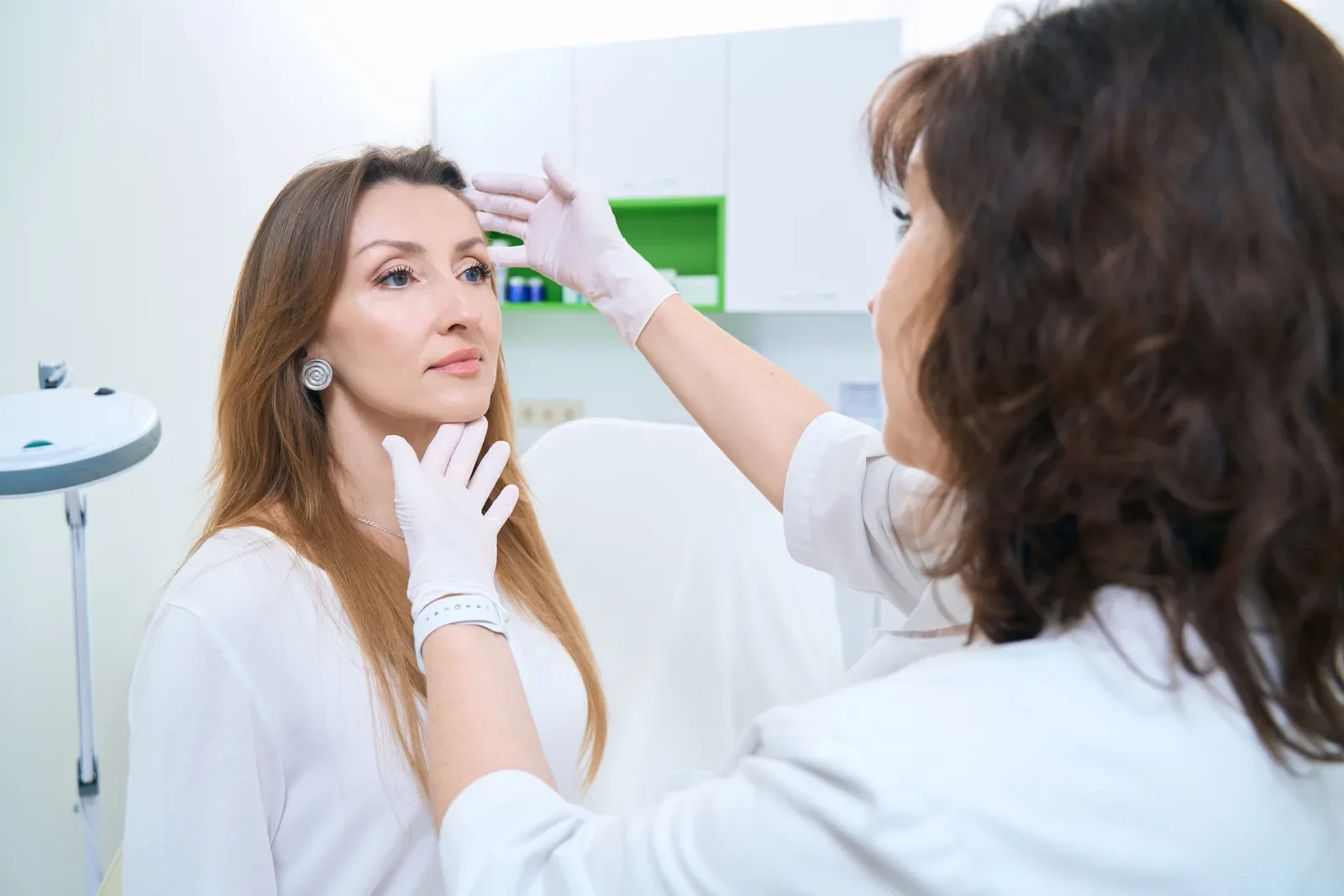
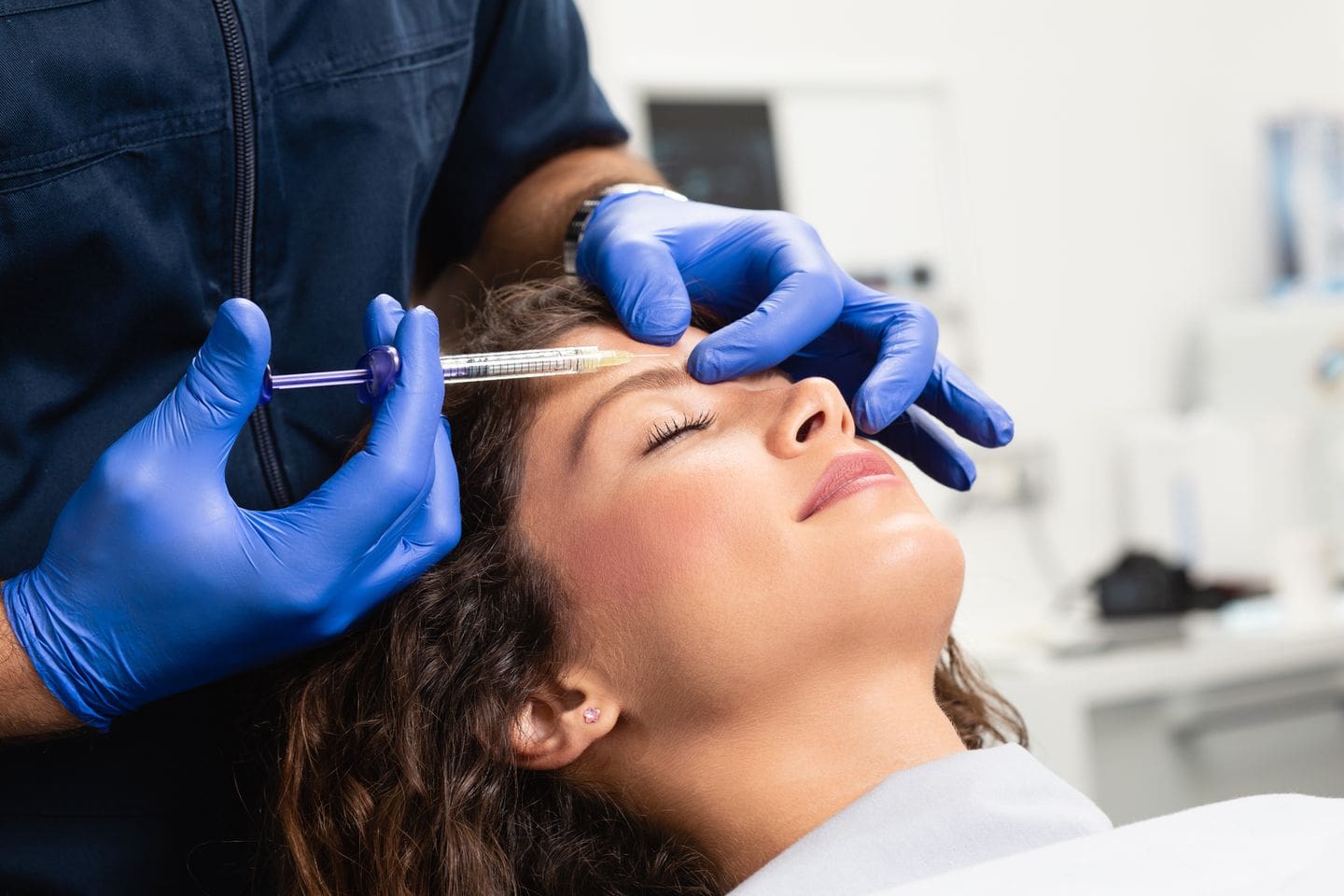
A chemical peel is a popular cosmetic procedure designed to improve the appearance of the skin by safely removing the top layers to reveal smoother, healthier skin underneath. For individuals bothered by acne scars, chemical peels offer a promising solution. At Valley Dermatology & Skin Cancer Center in Spokane Valley, WA, today we will explore this treatment to answer a frequently asked question, “will chemical peels treat acne scars?”
How Chemical Peels Work
Chemical peels can be an effective treatment option for individuals looking to diminish the appearance of acne scars and achieve smoother, clearer skin. At Valley Dermatology, we work closely with our patients to determine the most suitable peel strength and treatment plan for your specific skin concerns.
A chemical peel is a highly effective exfoliation technique meticulously designed to penetrate beneath the surface of the skin, promoting regeneration on the face, neck or hands. This procedure involves the application of a chemical solution that induces controlled peeling of skin layers.
What Are The Benefits?
Chemical peels offer a range of benefits beyond easing the look of acne scars. By addressing various cosmetic concerns, peels can promote healthier and rejuvenated skin. Here’s how chemical peels work to ease specific concerns:
- Chemical peels benefit uneven skin tone by exfoliating the skin’s top layer, removing pigmented cells and encouraging the growth of new, evenly pigmented skin.
- Peels promote cell turnover and stimulate collagen production, enhancing skin elasticity and reducing the appearance of fine lines and wrinkles.
- Chemical peels are effective for acne-prone skin by exfoliating the top layer and unclogging pores, preventing them from causing further breakouts.
- The exfoliation promotes the renewal of skin cells, contributing to a smoother and clearer complexion over time.
- Chemical peels reduce sun spots and hyperpigmentation by targeting the excess melanin responsible for dark spots on the outermost layer of skin.
- By removing impurities and dead cells that contribute to enlarged pores, chemical peels refine skin’s texture and reduce the appearance of pores.
Easing Acne Scars
Due to the nature of how chemical peels remove damaged layers of skin, they can be beneficial in diminishing the appearance of scars. Essentially, a customized chemical peel for your specific skin tone, skin type and areas of concern can help treat acne scars.
Exfoliation
Chemical peels work by removing the outermost layers of damaged skin cells, including those affected by acne scars. This exfoliation process helps to reveal fresher, more even-toned skin.
Stimulation of Skin Regeneration
By exfoliating the skin, chemical peels stimulate the skin’s natural healing process, prompting the production of new skin cells. This regeneration can help to reduce the appearance of acne scars over time.
Even Skin Tone
Chemical peels target hyperpigmentation and uneven skin tone associated with acne scars. By removing the top layer of pigmented skin cells, they can help to fade dark spots and create a more uniform complexion.
Collagen Production
Some chemical peels stimulate collagen production in the deeper layers of the skin. Increased collagen can help to improve skin texture and plump up depressed acne scars, making them less noticeable.
Peels for Deep Acne & Raised Acne
The best chemical peel for acne scars depends on the severity of the scarring, as well as the type of scarring. There are two types of acne scars: atrophic and hypertrophic. Atrophic acne scars are indented or depressed, while hypertrophic acne scars are raised.
Chemical peels are better at treating atrophic scars than hypertrophic scars, though a professionally administered series of chemical peels can potentially ease both types. Hyperpigmentation, while technically not a form of scarring, is the easiest form of post-acne skin trauma to treat with chemical peels.
For addressing acne and associated scars, superficial chemical peels containing glycolic acid or light trichloroacetic acid (TCA) are highly effective. Glycolic acid, typically at concentrations of 30-50% and alpha hydroxy acids work by unclogging pores, exfoliating dead skin cells and promoting skin renewal. These peels help control acne breakouts and improve the appearance of acne scars and hyperpigmentation by revealing newer, clearer skin.
Medium-depth chemical peels, like a modified Jessner peel, often utilize a combination of acids like lactic acid, salicylic acid and resorcinol in an ethanol solution. The solution removes skin cells from the top layer and the upper dermis, effectively reducing hyperpigmentation, acne scarring and wrinkles.
What Is Recovery Like?
Recovery after a chemical peel for acne scars varies depending on the depth and intensity of the peel:
Superficial Peels
For mild peels using glycolic acid or low-concentration TCA, recovery typically involves minimal downtime. Patients may experience redness, flaking and mild irritation, similar to a sunburn, which usually resolves within a few hours or a few days. Sunscreen and gentle skincare are essential during this time to protect the newly revealed skin.
Medium-depth Peels
After a medium-depth peel like a modified Jessner’s peel, patients may experience more noticeable peeling, redness and sensitivity. Recovery typically takes around one to two weeks, during which time the skin may appear sunburned and feel tight.
One of the most important things you can do is not pick or scratch at the treated areas. Let your skin shed and heal itself at its own pace for optimal results, especially if your goal is easing acne scars. Patients should avoid sun exposure and follow a specific post-peel skincare regimen to protect healing skin.
FAQs
Do chemical peels make acne worse?
Chemical peels typically don’t trigger acne. In fact, they can help improve acne by exfoliating the skin and unclogging pores. Just one of the many benefits for acne-prone skin!
Can they really improve acne scars?
Yes! The good news is chemical peels can actually improve the appearance of acne scars over time by promoting collagen production and skin regeneration.
How many chemical peel treatments are needed to reduce acne scars?
Most patients at Valley Dermatology see noticeable improvement in their acne scars after a series of 3 to 6 chemical peel treatments, spaced about four weeks apart.
How do chemical peels compare to other acne scar treatments?
Chemical peels are a non-invasive and cost-effective option for improving acne scars, especially for patients with surface-level or mild textural scarring. While laser treatments or microneedling may penetrate deeper, chemical peels offer excellent results for overall tone, smoothness and clarity—with minimal downtime and visible improvement over time.
Why Choose Valley Dermatology for Your Chemical Peel?
Located in Spokane Valley, WA, Valley Dermatology & Skin Cancer Center is proud to offer the latest in non-invasive skin rejuvenation, including superficial and deep chemical peels. Our team of experienced dermatologists and licensed aesthetic providers are passionate about helping you feel confident in your skin.
What sets us apart, you ask?
- Every chemical peel is tailored to your skin type, concerns and goals.
- We use FDA-cleared devices and medical-grade serums for optimal results.
- Our providers stay current on skin science and the latest aesthetic advancements.
- We don’t just send you home glowing—we give you the tools to stay that way.
Whether it’s your first ever chemical peel or part of your monthly routine, at Valley Dermatology every treatment is an experience and a commitment to healthy, glowing skin. Ready to experience more radiant, flawless skin? Visit us in Spokane Valley and Colville, WA and let our expert team help you rediscover your skin’s natural glow—one personalized facial at a time. Schedule your appointment today!