Mohs surgery is one of the most effective treatments for skin cancer, offering precise removal of cancerous tissue while preserving as much healthy skin as possible. Once the procedure is complete, the next important phase begins which is the Mohs surgery recovery phase. Understanding what to expect and how to care for your skin after treatment plays a major role in healing, comfort and long-term cosmetic results. Today Valley Dermatology & Skin Cancer Center in Spokane is walking you through every stage of recovery so you feel prepared, informed and supported every step of the way.
What To Know About Recovery
Because Mohs surgery is performed layer by layer, the procedure is highly targeted and results in less tissue damage than other skin cancer removal techniques. That said, Mohs surgery recovery still requires proper care, awareness and patience. Most people heal quickly, but the exact timeline depends on the size of the surgical site, the complexity of the repair and your personal healing factors.
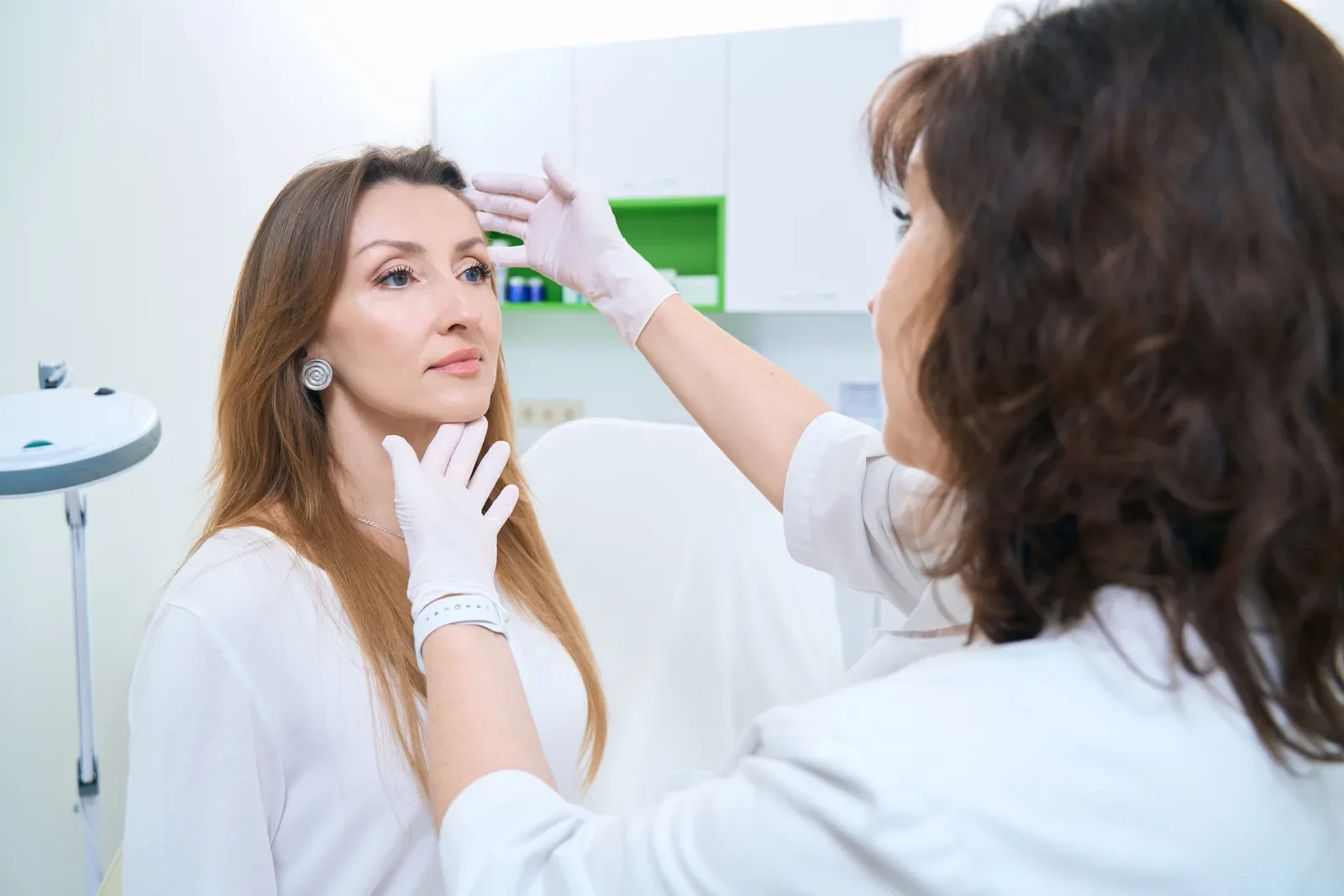
At Valley Dermatology & Skin Cancer Center, our team ensures that every patient receives detailed instructions tailored to their procedure. Following these guidelines closely not only supports faster healing but also helps minimize scarring and reduces the risk of complications. Your skin has already done the hard work of beating cancer—now it’s time to help it recover beautifully.
What to Expect Immediately After Mohs Surgery
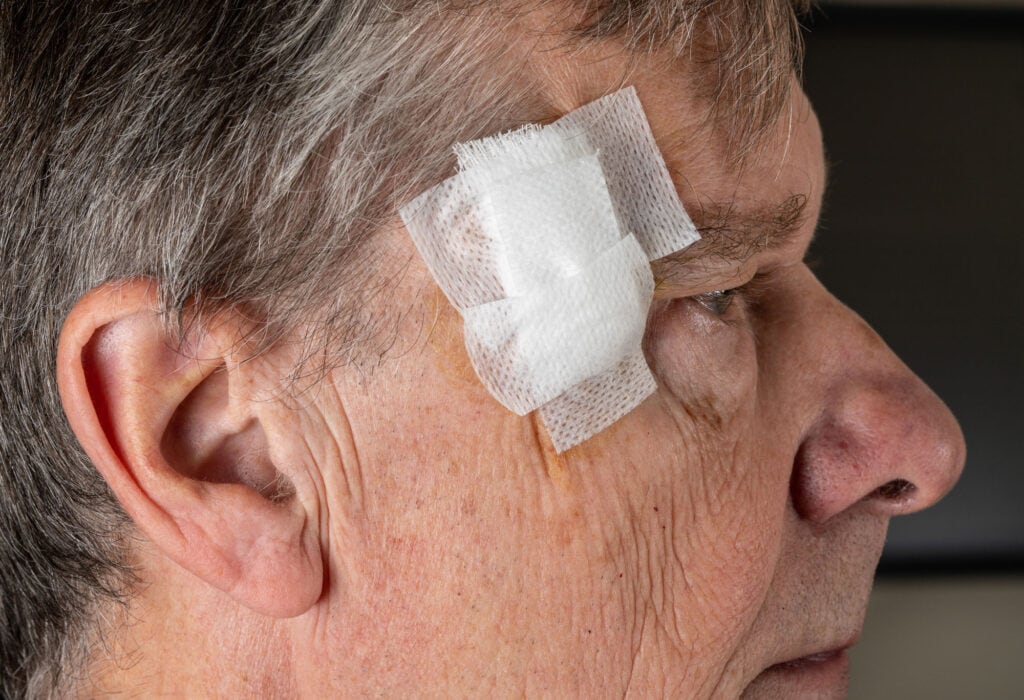
During the first 24 to 48 hours of Mohs surgery recovery, it’s normal to experience mild swelling, tenderness and slight bleeding at the surgical site. Your dermatologist will place a pressure bandage over the area, which helps control bleeding and supports healing. Keeping this bandage clean and dry is one of the most important steps in the early phase.
Common early experiences include:
- Mild discomfort that can be managed with over-the-counter pain relievers
- Bruising, especially if the surgery was on the face
- Tightness or pulling around the sutures
- A feeling of fullness or sensitivity near the treated area
Most patients are able to resume light activities within a day, although strenuous exercise, bending and heavy lifting should be avoided for at least the first week. These movements can increase blood flow to the head and neck, which may lead to bleeding or swelling at the wound site.
You may also feel tired or emotionally drained. This is completely normal—Mohs surgery is a big step toward protecting your health and it’s common to need a bit of downtime afterward.
Managing Pain & Swelling
Pain after Mohs surgery is usually mild, but every patient is different. Most people describe the sensation as tender, tight or slightly throbbing—especially in the first 48 hours. Fortunately, these symptoms improve quickly with the right approach.
Here are a few helpful pain management tips:
- Use acetaminophen (Tylenol) as recommended
- Avoid medications like ibuprofen or aspirin unless your doctor approves them, as they can increase bleeding
- Keep your head elevated when resting to reduce pressure and discomfort
Reducing Swelling
Swelling is a normal part of Mohs surgery recovery, especially when surgery is performed around the eyes, nose or lips. You can minimize swelling by:
- Applying a cold compress for 10–15 minutes at a time during the first 24 hours
- Sleeping with your head propped up for the first several nights
- Avoiding strenuous exercise or movements that increase blood flow
If swelling suddenly worsens, becomes painful or is accompanied by fever or warmth, contact your dermatologist immediately, as this could indicate infection.
Caring for the Surgical Site
Proper wound care is one of the most important steps in a successful Mohs surgery recovery. Your dermatologist will give you detailed aftercare instructions based on your repair method—whether your site was closed with stitches, left to heal gradually or repaired with a skin graft or flap.
Here are a few general wound care guidelines to consider:
- Keep the bandage clean and dry until your doctor instructs you to remove or change it
- Once allowed, clean the area gently with soap and water—avoid scrubbing
- Apply petroleum jelly or the recommended ointment to keep the area moist. Moist wounds heal faster and with less scarring
- Replace bandages as directed, typically once a day
- Avoid touching the wound unless cleaning it—hands carry bacteria that can lead to infection
If you have sutures, your dermatologist will let you know when to return for removal. Stitches on the face often come out in 5–7 days, while those on the body may stay in place for 10–14 days.
Tips to Minimize Scarring
Because Mohs surgery minimizes the amount of tissue removed, most patients enjoy excellent cosmetic outcomes. Still, some scarring is natural anytime the skin experiences an injury. The good news? There are many ways to support healthy healing and reduce the appearance of scars.
- Keep the wound moist with petroleum jelly to prevent scab formation
- Protect the area from the sun using SPF 30 or higher once the wound has closed; UV light can darken scars
- Avoid picking or scratching, as this slows healing and increases scarring
- Once healed, talk to your dermatologist about silicone gel or sheets, which help flatten and fade scars
- Be patient—scars continue to improve for up to a year
Your provider at Valley Dermatology & Skin Cancer Center can also recommend cosmetic treatments, like laser therapy or microneedling, once your skin has fully healed.
FAQs
How long does it take to recover from Mohs surgery?
Most patients heal within 2–4 weeks, but full cosmetic healing can take several months. The timeline depends on the size and location of the surgical site, your skin type and whether stitches, grafts or flaps were used. Many people return to daily activities within a few days.
What can I do to reduce pain and swelling after surgery?
Use acetaminophen, apply cold compresses and keep your head elevated. Avoid strenuous activities, bending or lifting. These steps help manage discomfort and keep swelling to a minimum during early Mohs surgery recovery.
How should I care for the surgical site during recovery?
Follow your dermatologist’s instructions closely. Keep the bandage clean and dry, clean the area gently once allowed, apply ointment daily and avoid touching or picking at the wound. Proper wound care directly affects healing and cosmetic results.
What are the best ways to minimize scarring?
Keep the wound moist, protect it from the sun and avoid picking at scabs. Once healed, products like silicone gel or dermatologic treatments can reduce scar visibility. Scars naturally improve over time, so patience is key.
When should I contact my doctor if I notice issues during recovery?
Call your dermatologist if you experience increasing pain, redness, warmth, pus-like drainage, fever, bleeding that won’t stop or swelling that gets worse instead of better. These may be signs of infection or other complications that require prompt care.
Why Choose Valley Dermatology & Skin Cancer Center for Mohs Surgery
When it comes to Mohs surgery, choosing a highly skilled and experienced surgeon is the most important factor in achieving the best possible outcome. This precise procedure requires expertise, attention to detail, and a deep understanding of both dermatology and reconstructive techniques.
At Valley Dermatology and Skin Cancer Center, our board-certified Dermatologist, Dr. Scott Smith, is specially trained in Mohs micrographic surgery — ensuring complete cancer removal while preserving as much healthy tissue as possible. This level of precision not only delivers the highest cure rates but also promotes optimal cosmetic results and long-term peace of mind. Connect with us today to schedule your appointment.